





28
2025
-
11
How Do Landfills Work?
Author:
Isla
What is a landfill and how does a landfill work?
Have You Ever Heard About the James Howells Bitcoin Landfill Search?

On a chilly morning more than a decade ago, an IT engineer named Ames Howells realized something was terribly wrong. He had thrown away an old hard drive—nothing unusual for someone who frequently repaired computers. But weeks later, when news of Bitcoin’s rising value spread, he remembered that this discarded drive held thousands of early-mined bitcoins.
Panicked, he rushed to the municipal waste office. But he was already too late. The trash truck had compacted everything and delivered it to a massive landfill site, burying the drive under thousands of tons of mixed waste. What followed became the now-famous Ames Howells Bitcoin landfill search, where he fought for years to gain access to the dump sites, hoping to excavate the lost fortune.
This story captured global attention not only because of the staggering monetary loss—but because it spotlighted a simple truth we often overlook: most of the things we throw away end up in highly engineered landfills, not random garbage dumps. And these landfills are far more complex, regulated, and scientific than people imagine.
So, how do landfills work, and what should you know if you're searching for a landfill near me?
What is a landfill?
To understand what is a landfill, we must first understand the scale of waste humanity produces. Consider these global figures:
· Households generate millions of tonnes of food waste annually, much of it still edible, which ends up buried in landfill systems.
· Avoiding unnecessary food waste could reduce greenhouse gas emissions equivalent to removing millions of vehicles from major regions.
· Organic materials decomposing inside landfills release methane, a greenhouse gas significantly more potent than CO₂ in its warming effect.
· In many developed countries, only about half of municipal waste is recycled; the remainder is landfilled, adding long-term pressure on waste infrastructure.
· Industrial, commercial, and construction activities add tens of millions of tonnes of additional waste each year, all requiring safe disposal.
In other words, a landfill is a scientifically engineered waste disposal facility designed to isolate solid waste from the surrounding environment, manage long-term decomposition, and prevent soil and water contamination.
They are not open dumps; they are regulated systems built with layers of environmental protection.
How do landfills work?

A modern landfill is an environmental engineering project with multiple protective systems working together. Here’s how they operate:
1. Site Engineering & Containment
Before any waste is accepted, engineers construct a multilayer liner system using compacted clay, geotextiles, and high-density polyethylene (HDPE).
This creates a barrier that prevents contaminants from entering nearby soil or groundwater—critical for areas near population centers or aquifers.
2. Controlled Waste Placement & Daily Cover
When waste arrives, bulldozers and compactors reduce its volume and spread it into engineered layers. Each day, operators cover the active area with soil or approved alternative cover materials.
This minimizes odors, prevents fires, and controls disease vectors such as insects and rodents.
3. Leachate Collection & Treatment
As rainwater percolates through waste layers, it forms leachate, a chemically complex liquid containing dissolved organic matter, metals, and other contaminants.
Landfill systems use an underground network of pipes, sumps, and pumps to collect this liquid for off-site or on-site treatment, ensuring it never reaches groundwater resources.
4. Methane Gas Management
Organic waste decomposes anaerobically, producing landfill gas (a mixture of methane and CO₂).
Modern landfill gas systems capture methane through vertical wells and horizontal pipes. The gas may be:
· Burned off (flared) safely
· Upgraded to renewable natural gas (RNG)
· Used to generate electricity, sometimes powering thousands of local homes
5. Long-Term Monitoring & Post-Closure Care
Even after a landfill closes, environmental monitoring continues for decades. Engineers test groundwater, measure gas emissions, check settlement rates, and maintain surface vegetation to ensure long-term stability and safety.
In short: How do landfills work? They contain, control, and monitor waste using engineered barriers and environmental protection systems—not simply burying trash, but managing it over generations.
How to Find the Landfill Near Me?

If you are searching for a “landfill near me,” most cities provide digital waste management maps or municipal guidance.
Examples around the world:
· California (USA): Many residents reference disposal zones near the former Puente Hills landfill, once among the largest in the nation.
· Tokyo (Japan): The Shin-Koto Disposal Site is one of the city’s regulated engineered waste facilities.
· Dubai (UAE): The Warsan landfill is the primary municipal solid waste disposal location.
City websites, government environmental agencies, and Google Maps can help you identify the appropriate disposal site in your region.
What Are the Alternatives to Landfills? (Source)
Even though landfills are essential, they are not the only waste management solution.
1. Composting Systems
Food scraps and organic materials can be transformed into nutrient-rich compost, significantly reducing pressure on landfill capacity and lowering methane emissions.
2. Waste-to-Energy (WTE) Facilities
Using high-temperature thermal processes, nonrecyclable waste is converted into electricity or heat—reducing landfill volume while generating renewable energy.
3. Expanded Recycling & Recovery
Improved sorting technologies, automated material recovery facilities (MRFs), and circular economy initiatives help divert more materials into recycling streams rather than landfill disposal.
4. Landmark Restoration Example: Fresh Kills
Once the world’s largest landfill, Fresh Kills in Staten Island is now being redeveloped into one of New York’s largest parks—showcasing how engineered landfill sites can eventually be restored and repurposed.


What You Can Do to Reduce Landfill Waste?
1. Choose Sustainable Packaging
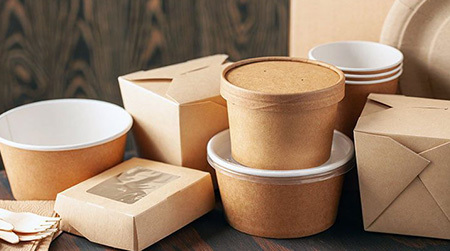
Brands can reduce waste entering landfills by switching to compostable or recyclable alternatives—such as Sowinpak’s eco-friendly packaging solutions designed for cleaner end-of-life disposal.
2. Reduce Food Waste
Plan meals, use proper storage, and avoid overbuying. Preventing waste is one of the most effective ways to reduce greenhouse gas emissions.
3. Recycle Properly
Know your local recycling rules to ensure materials stay out of landfill and move into the proper recovery streams.
4. Compost at Home
Home or community composting can divert up to 30% of household waste from landfills.
5. Use Reusable Products
Durable bags, containers, and refillable items reduce dependency on single-use disposables.

Conclusion
From the dramatic Ames Howells Bitcoin search to today’s global waste challenges, landfills remain a critical component of modern waste management. But understanding how do landfills work—and what alternatives exist—helps individuals and businesses make more responsible environmental choices.
Whether you’re searching for a landfill near me or exploring more sustainable options, every informed action contributes to reducing the long-term burden on landfill systems worldwide.
Add: No.3, Hairun Road, Haixi Town, Pingyang County, Wenzhou City, Zhejiang Province, P.R.China
WhatsApp: +86-13758805119
E-mail: sales@sowinpak.com


copyright © 2022 Zhejiang Sowinpak Technology Co., Ltd.

